


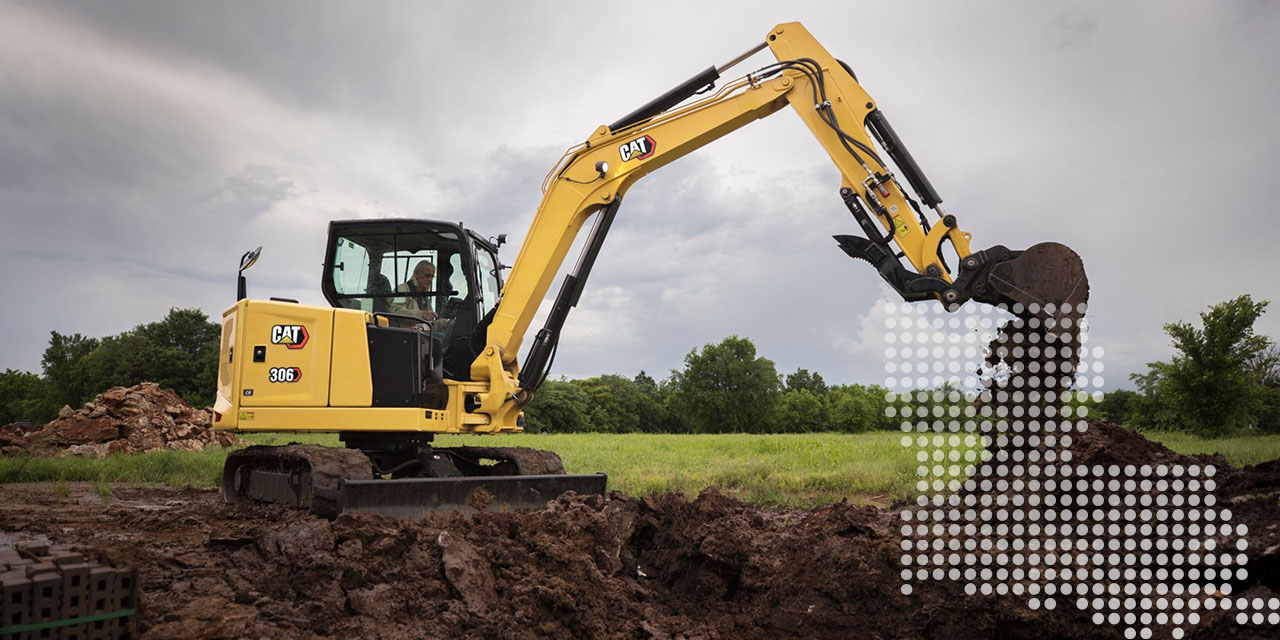
Louisiana’s climate presents a double threat to your equipment fleet. Intense summer heat accelerates wear and triggers breakdowns. Hurricane season runs from June 1 to November 30, bringing constant risk of catastrophic damage that can shut down operations for weeks.
Learn how to prepare your fleet for peak summer and hurricane season performance to maximize uptime and operational resilience.
Reactive maintenance is expensive. You’re paying for emergency repairs, overnight parts shipments and lost productivity while crews sit idle. Proactive preventive maintenance for construction equipment shifts the equation. You catch problems before they become failures, schedule repairs during downtime instead of mid-project and protect your assets before a storm hits. It’s a business decision that protects your bottom line.
Formalizing your strategy with a Cat® Customer Value Agreement ensures nothing falls through the cracks. You get scheduled inspections, priority service and a partner who knows your fleet as well as you do.
Summer equipment maintenance in Louisiana isn’t optional. When temperatures spike and humidity climbs, equipment works harder to deliver the same performance. Components that run fine in Spring could start failing by July. Your summer prep checklist can address the systems most vulnerable to heat stress.
Your cooling system is the first line of defense against heat-related failure. Focus your inspection on these critical areas:
Keeping your cooling system in top shape protects both your equipment and your crew.
High ambient temperatures reduce hydraulic fluid viscosity, which increases wear on pumps, cylinders and valves. Check fluid levels and condition — contaminated or degraded fluid accelerates component failure.
Inspect every hydraulic hose for cracks, abrasions and signs of heat damage. Pay attention to areas where hoses contact hot surfaces or run close to the exhaust. A single hose failure can dump gallons of hydraulic fluid, causing an environmental incident and shutting down your machine for hours or days.
Hot pavement and soil transfer heat directly into tires and tracks. Your daily checks should include:
An underinflated tire generates more heat internally, exacerbating the problem and increasing the risk of a blowout. An over-tensioned track under load can damage components.
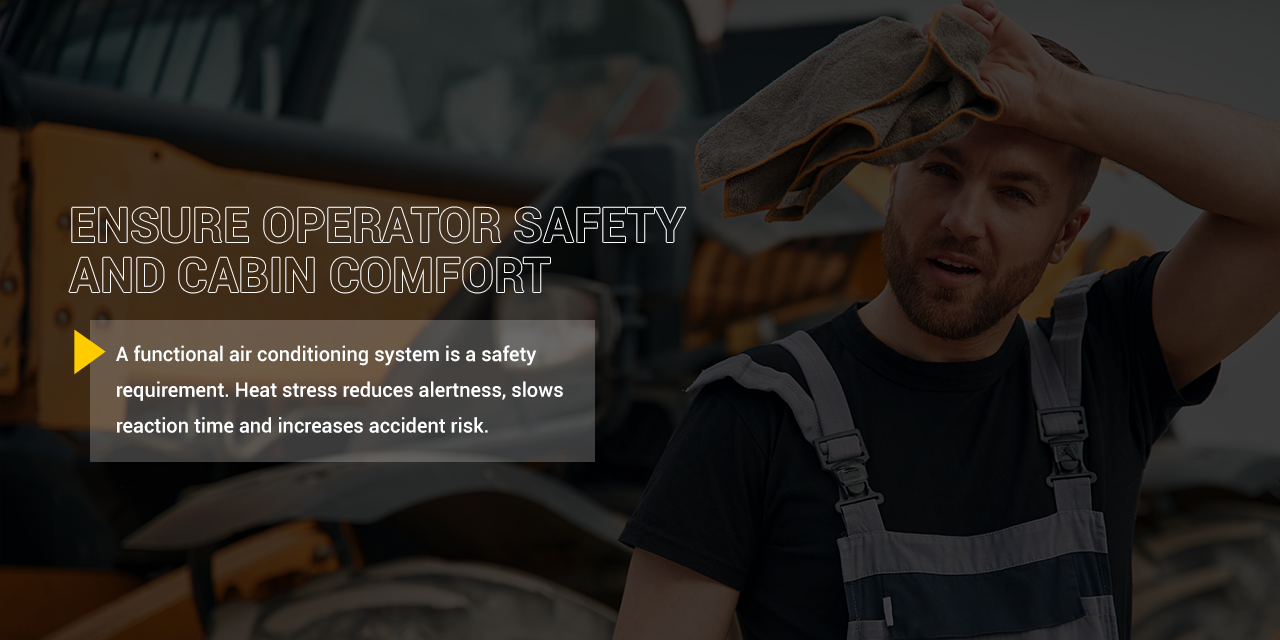
A functional air conditioning system is a safety requirement. Heat stress reduces alertness, slows reaction time and increases accident risk. An operator struggling in a 110° Fahrenheit cab can’t work safely or productively.
OSHA’s National Emphasis Program (NEP) on heat hazards targets construction sites when the heat index exceeds 80° Fahrenheit. Protecting your operators from heat illness is part of your summer preparedness strategy. Inspect cabin filters, check refrigerant levels and test air conditioning performance before peak heat arrives. If your operators mention reduced cooling performance, address it immediately.
Proper operator training includes recognizing signs of heat stress in themselves and crew members.
Summer equipment prep requires a different approach than summer maintenance. You’re protecting against catastrophic damage from wind, flooding and debris. A clear checklist keeps you organized when a storm is 72 hours out, and you’re securing multiple jobsites.
When a hurricane enters the Gulf, you have limited time to secure equipment and sites. Your securement plan should include:
A hurricane preparation guide provides detailed site-specific steps for construction operations.
Establish a communication plan before the storm hits. Who’s responsible for each site? Who has the authority to make emergency decisions? How do you check in when cell service is down?
Local news is helpful, but the National Oceanic and Atmospheric Administration (NOAA) delivers the most accurate and timely information for decision-making.
Beyond tracking the storm itself, use telematics to monitor your fleet remotely. VisionLink™ fleet monitoring lets you track equipment location and status. If a machine moves unexpectedly or gets submerged, you’ll know immediately.
Before returning to a site, wait for official clearance and assess conditions carefully. Downed power lines, unstable structures and contaminated water create serious hazards.
Your post-storm inspection includes:
Your Product Health Center team can perform post-storm assessments and fluid analysis. The Cat S•O•S℠ Fluid Analysis service team identifies contamination invisible to visual inspection and helps you avoid expensive failures during recovery operations.

Hurricane season equipment prep is an ongoing process that protects your investment and keeps your business running. Louisiana Cat has the parts you need, services to support you and technology to maintain year-round resilience. Our team understands Louisiana’s unique challenges and can help you build a maintenance strategy that works.
Contact us today to discuss how we can support your operation through summer heat and hurricane season.